
Wooden flooring is a popular and versatile choice for both residential and commercial spaces. It offers warmth, natural beauty, and durability. There are several types of wooden flooring, each with its own characteristics:
https://www.indiamart.com/proddetail/pvc-wooden-flooring-2855240675533.html?sellerpreview=1
https://www.instagram.com/p/DCLjbQ8J-cH/?utm_source=ig_web_copy_link&igsh=MzRlODBiNWFlZA==
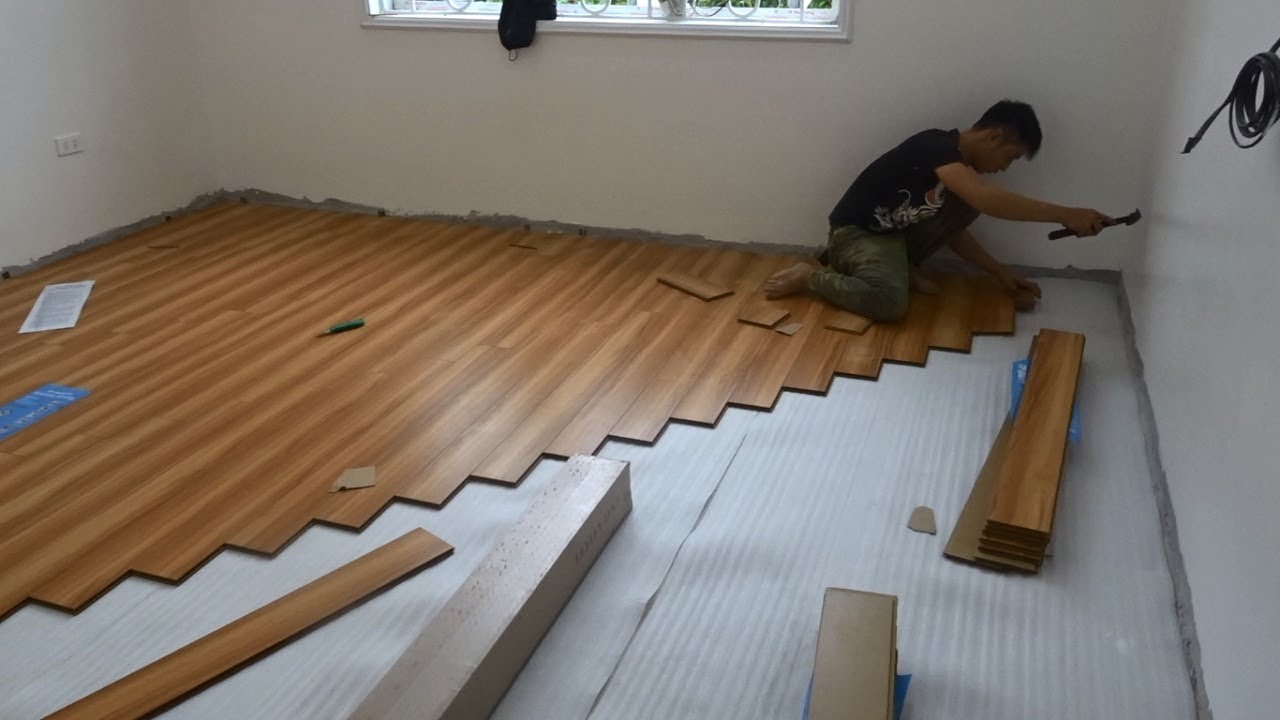
Types of Wooden Flooring:
Solid Hardwood Flooring:
- Made from a single piece of solid wood.
- Common types include oak, maple, cherry, and walnut.
- Can be sanded and refinished multiple times, making it long-lasting.
- Sensitive to changes in humidity and temperature, which may cause expansion or contraction.
Engineered Hardwood Flooring:
- Composed of multiple layers, with a top layer of real wood and several layers of plywood beneath.
- More stable than solid hardwood, making it suitable for areas with varying humidity, like basements or over radiant heating systems.
- Can also be sanded and refinished, though fewer times than solid wood.
Laminate Flooring (Wood-Look):
- Made from a composite wood core with a printed wood veneer layer on top.
- More affordable and resistant to scratches and dents.
- Doesn't have the same warmth or authenticity as real wood but mimics its appearance.
Bamboo Flooring:
- Made from bamboo grass, it’s a sustainable alternative to traditional hardwood.
- Harder than many hardwoods, making it a durable option.
- Available in various finishes, but its environmental credentials depend on the manufacturing process.
Cork Flooring:
- While not technically wood, cork comes from the bark of cork oak trees and provides a soft, cushioned feel underfoot.
- It’s sustainable, offers sound insulation, and is moisture-resistant.
Pros of Wooden Flooring:
- Aesthetic Appeal: Wooden floors bring a timeless and natural look to any space.
- Durability: Well-maintained wood floors can last for decades.
- Easy Maintenance: Sweeping, vacuuming, and occasional refinishing are enough to keep them looking good.
- Increases Home Value: Hardwood floors are often a desirable feature for homebuyers.
Cons of Wooden Flooring:
- Sensitive to Moisture: Wood can warp or expand with excess moisture, making it unsuitable for bathrooms or basements unless treated or used in engineered form.
- Scratches and Dents: Hardwood can be prone to damage from heavy furniture or high-traffic areas, though this is more common with softer woods.
- Cost: Hardwood floors can be expensive to install, particularly solid wood, which tends to be the priciest option.
Installation Methods:
- Nail-Down or Staple-Down: For solid hardwood, the boards are nailed or stapled to a wooden subfloor.
- Glue-Down: Typically used for engineered wood, where adhesive is applied to the subfloor.
- Floating Installation: This is most common for engineered hardwood and laminate flooring, where the boards click together but are not attached to the subfloor.
Finishes:
- Glossy Finish: Adds shine and highlights the wood grain, but may show scratches more easily.
- Matte Finish: Offers a more natural look and hides wear and tear better.
- Oil-Based Finish: Offers a more traditional appearance and is durable but requires more maintenance.
- Water-Based Finish: Dries quicker and offers a more modern, low-VOC solution, but may be less durable over time.
Would you like more details on a specific type of wooden flooring or tips on maintenance or installation?