
https://www.indiamart.com/proddetail/pvc-wooden-flooring-2855240675533.html?sellerpreview=1
Vinyl flooring is a popular, durable, and affordable type of flooring made from synthetic materials, often PVC (polyvinyl chloride). It’s widely used in both residential and commercial settings due to its versatility, ease of maintenance, and ability to mimic other materials like wood, stone, or tile. There are several types of vinyl flooring, including:
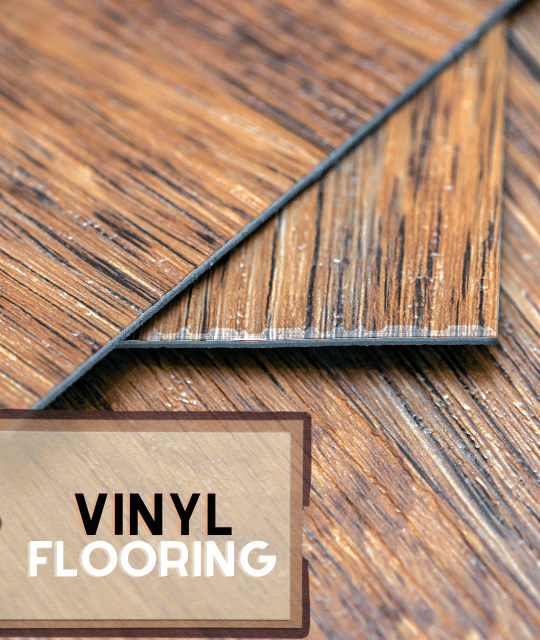
Types of Vinyl Flooring:
Sheet Vinyl:
- Comes in large, continuous rolls.
- Ideal for large spaces and areas with moisture (e.g., bathrooms, kitchens).
- Seams are minimal, making it water-resistant.
Vinyl Plank Flooring (LVP):
- Mimics hardwood floors and comes in individual planks.
- Click-lock installation systems are available, making it easier for DIY installation.
- Resistant to scratches and dents, which makes it ideal for high-traffic areas.
Vinyl Tile Flooring (LVT):
- Mimics the appearance of stone or ceramic tiles.
- Comes in individual tiles, which can be glued down or installed with click-lock systems.
- Easier to replace individual tiles compared to sheet vinyl.
Luxury Vinyl Flooring (LVF):
- A higher-end version of vinyl flooring with advanced features like enhanced durability, comfort, and realistic textures.
- Often comes in both plank and tile formats, with premium finishes.
Benefits of Vinyl Flooring:
- Waterproof & Moisture Resistant: Great for areas prone to moisture like bathrooms, kitchens, and basements.
- Durable & Long-Lasting: Resistant to scratches, stains, and dents. It’s ideal for high-traffic areas.
- Variety of Styles: Available in a wide range of colors, patterns, and designs to suit various décor styles.
- Comfortable Underfoot: Softer than tile or wood, providing a bit of cushioning, especially in kitchens or living rooms.
- Easy Maintenance: Easy to clean with regular sweeping and mopping; no need for special cleaning products.
- Affordable: Vinyl is often cheaper than hardwood, tile, or stone options, making it a budget-friendly flooring choice.
Downsides of Vinyl Flooring:
- Can Be Scratched: While it’s durable, sharp objects or heavy furniture may leave marks.
- Substrate Sensitivity: Vinyl can sometimes show wear over time, especially in areas with high foot traffic.
- Chemical Concerns: Lower-end vinyl may contain harmful chemicals like phthalates, although many manufacturers now offer phthalate-free and low-VOC (volatile organic compound) options.
Installation:
- Glue-down: Vinyl tiles or sheets are glued directly to the subfloor, making them stable and secure.
- Click-lock/Interlocking: Available in planks or tiles that lock into place without glue, making installation faster and often DIY-friendly.
- Loose-lay: Some vinyl is designed to simply lay on the floor without adhesives or interlocking mechanisms, especially in sheet form.
Vinyl flooring has grown in popularity due to its versatility and affordability, providing a stylish and functional flooring option for many different spaces. If you're considering vinyl for a project, it’s important to choose the right style and installation method based on your needs.